
Phuzz Phest Is a State Of Mind
A dispatch from the scrappy Winston-Salem music festival where every choice is the right one, time is merely a construct, and the wandering is half the point.

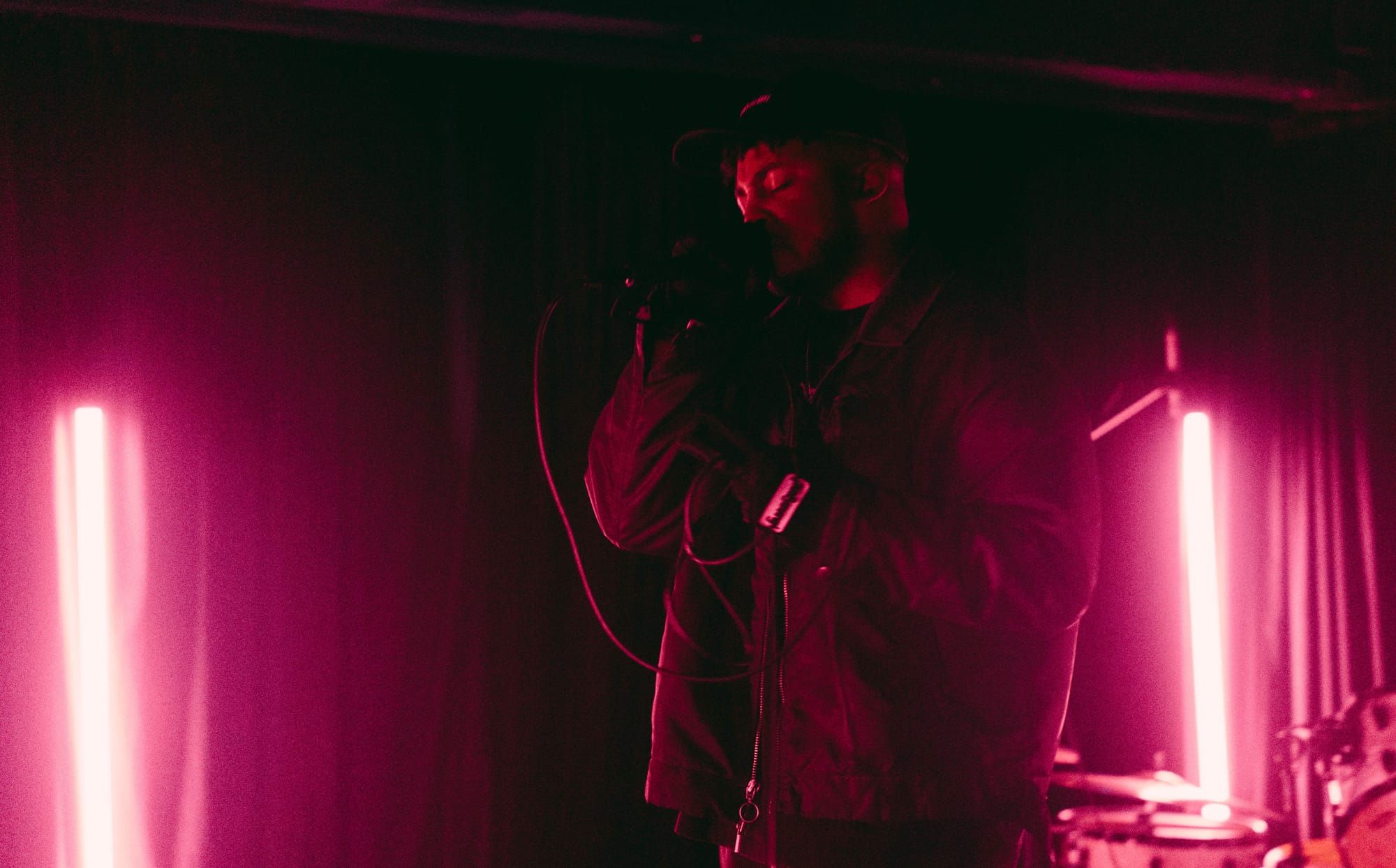
There was a moment at this year’s Phuzz Phest in Winston-Salem, somewhere between venues, when I realized I was no longer trying to keep up with anything.
I wasn’t watching the clock, nor rushing to make the beginning of a set. The night felt like something I could enter at any point—floating with the current to one venue or another, basking temporarily in its glow, then deciding where to go next without second-guessing.
That’s what stayed with me most from the Phest’s triumphant return earlier this month. After a decade away, it didn’t come back trying to overwhelm; it opened itself slowly. No main stage pulling thousands into one place, no pressure to commit your entire night to a single set. Instead, the experience stretched outward, across blocks, between rooms, asking less of your attention and more of your presence.
Phuzz Phest began as a grassroots rock festival in 2011, hosting hundreds of artists in downtown Winston-Salem until 2016, when a mix of factors—shrinking local arts funding, the closure of key downtown venues, and burnout within the festival’s small team—brought the event to a halt. When organizer Philip Pledger and his team began revisiting the idea last fall, it wasn't about picking up where things left off, as much as responding to a city that had changed: more people downtown, a younger creative energy, and the sense that something like Phuzz could once again serve as connective tissue.
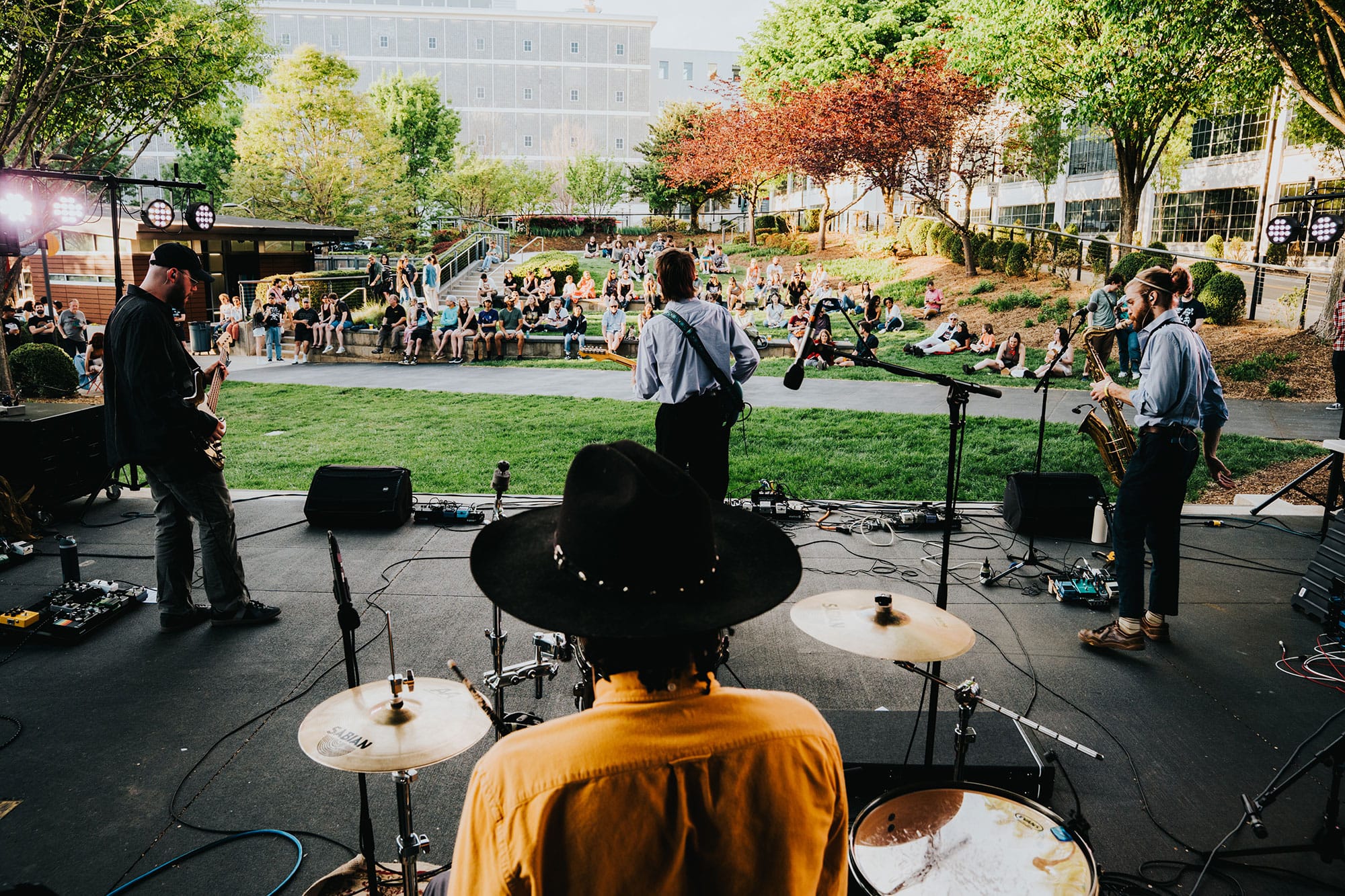
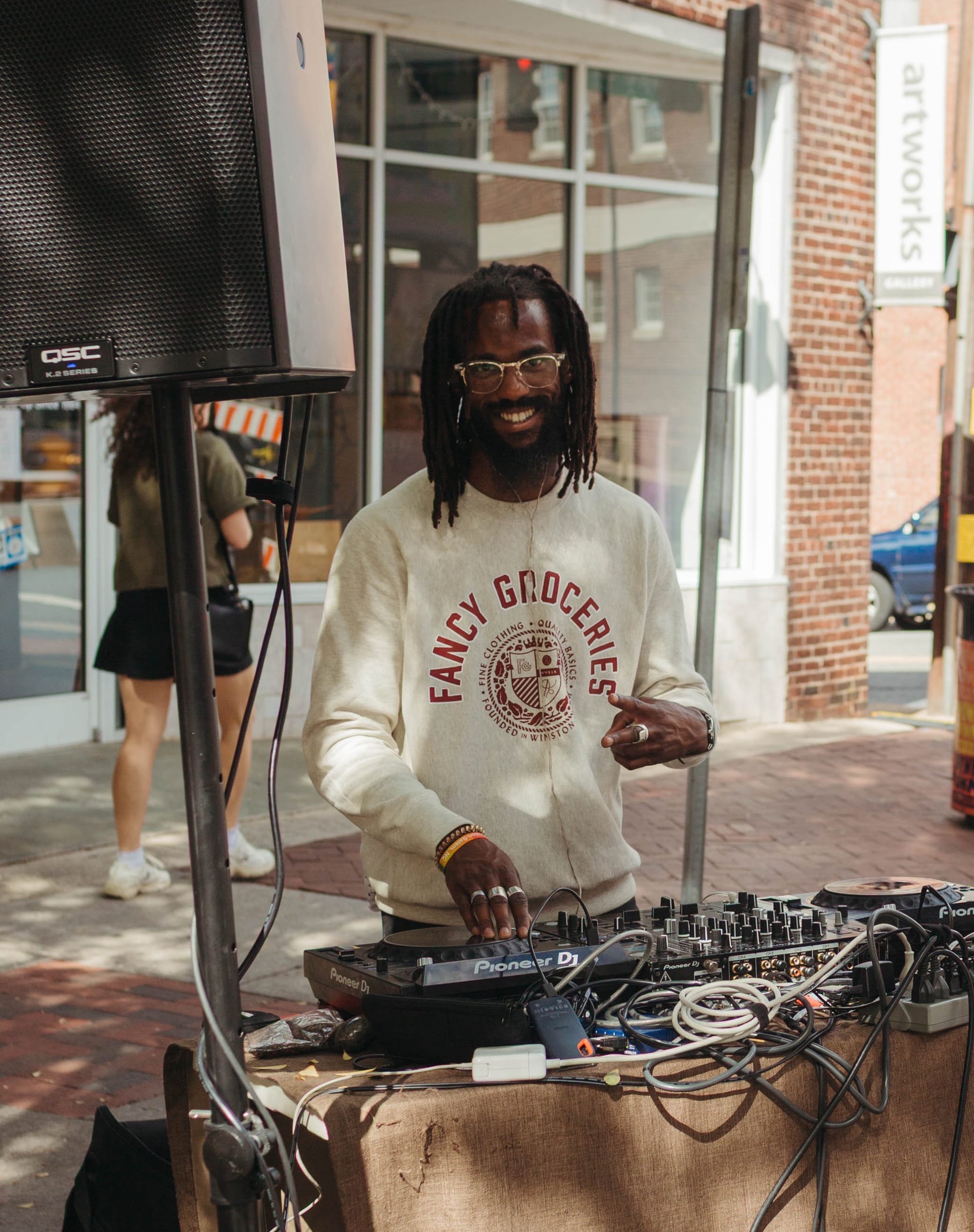
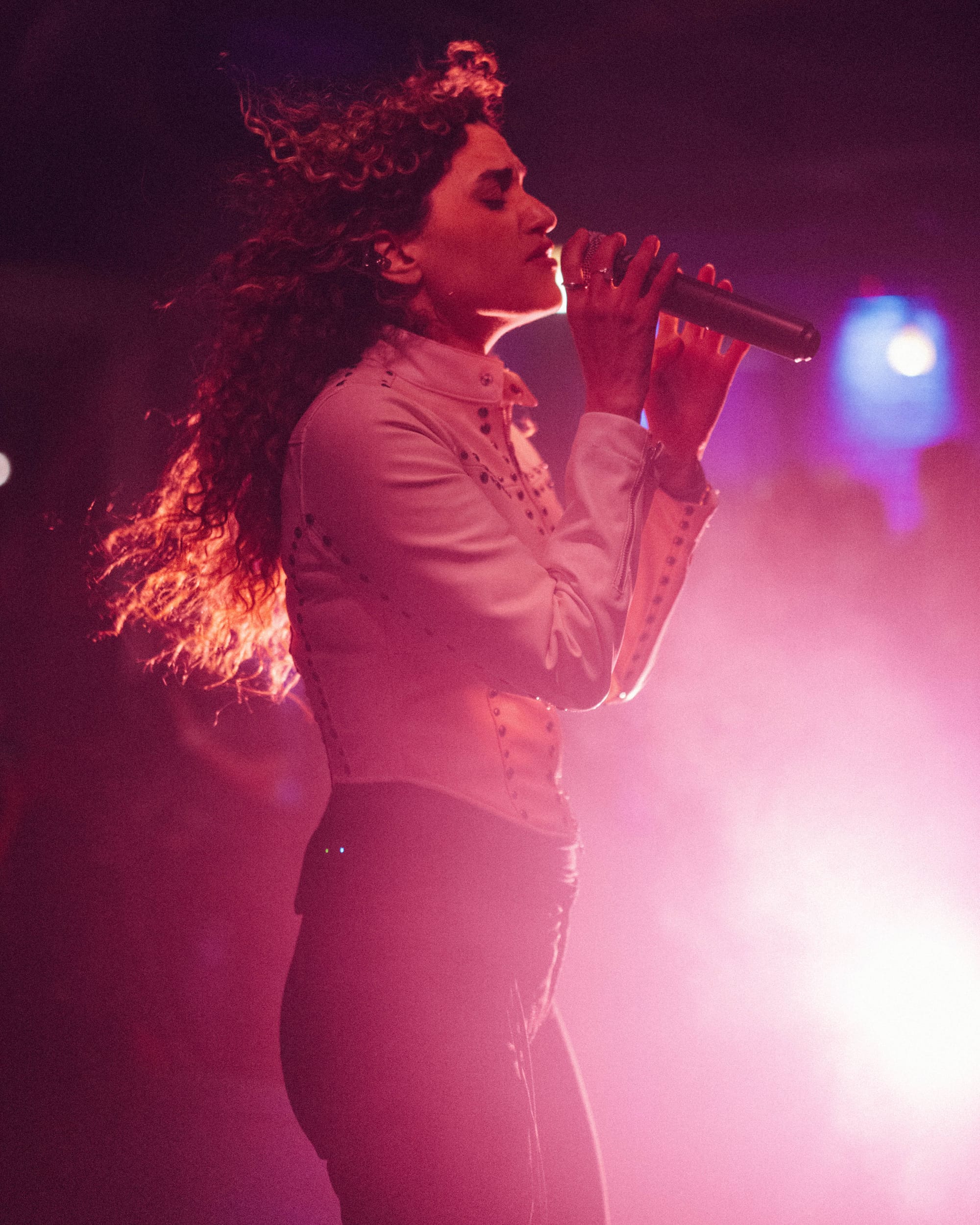
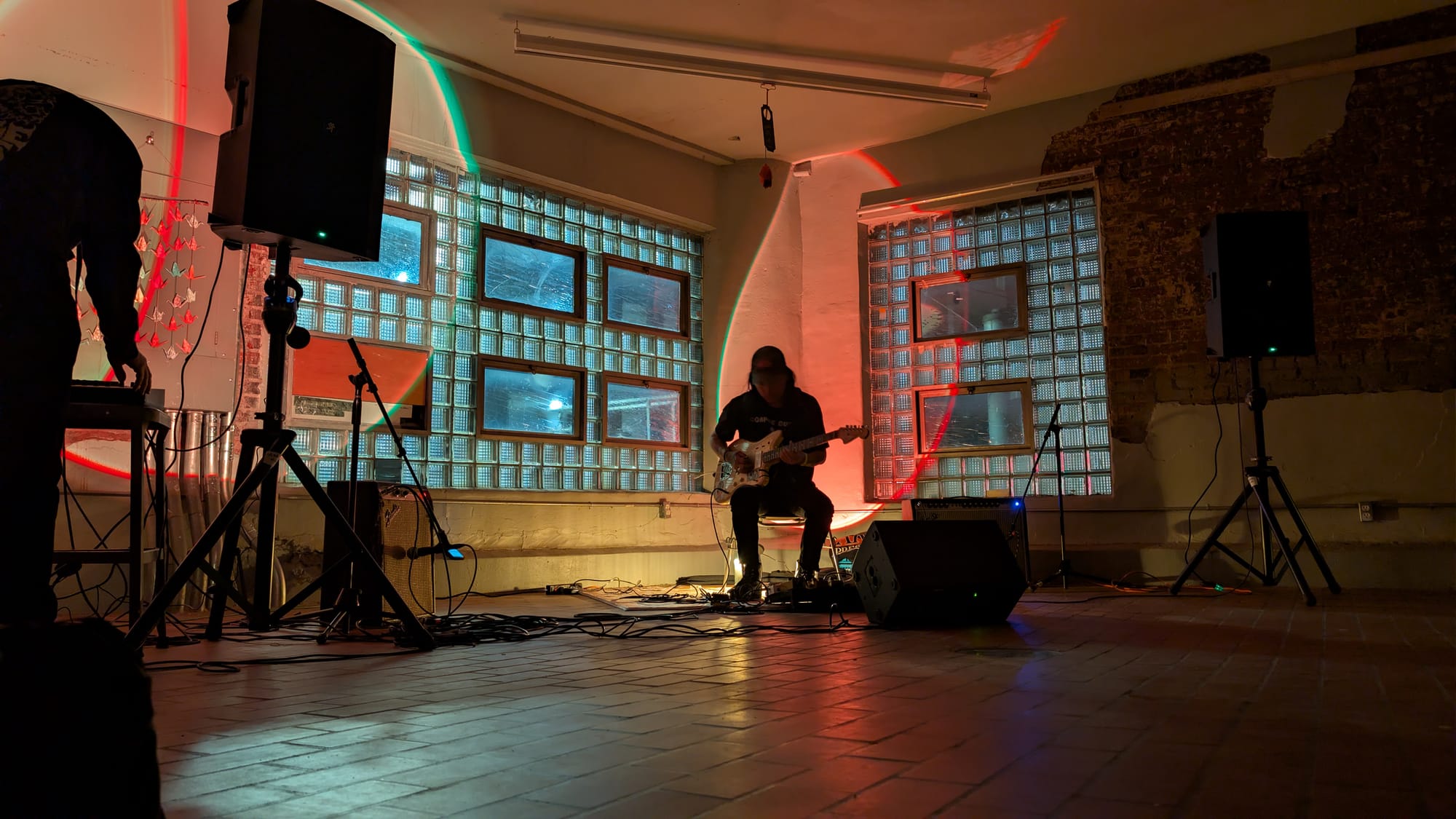
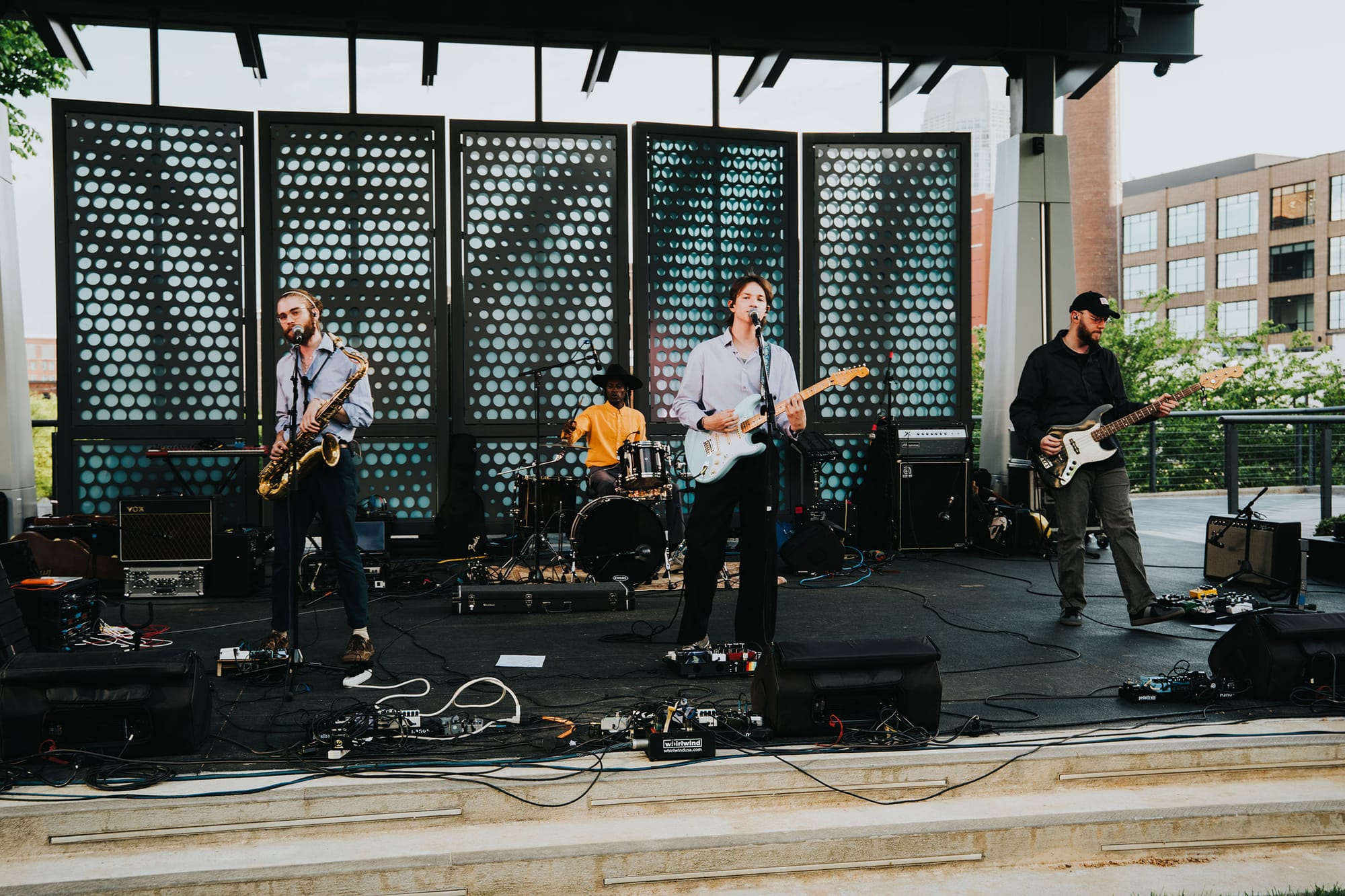
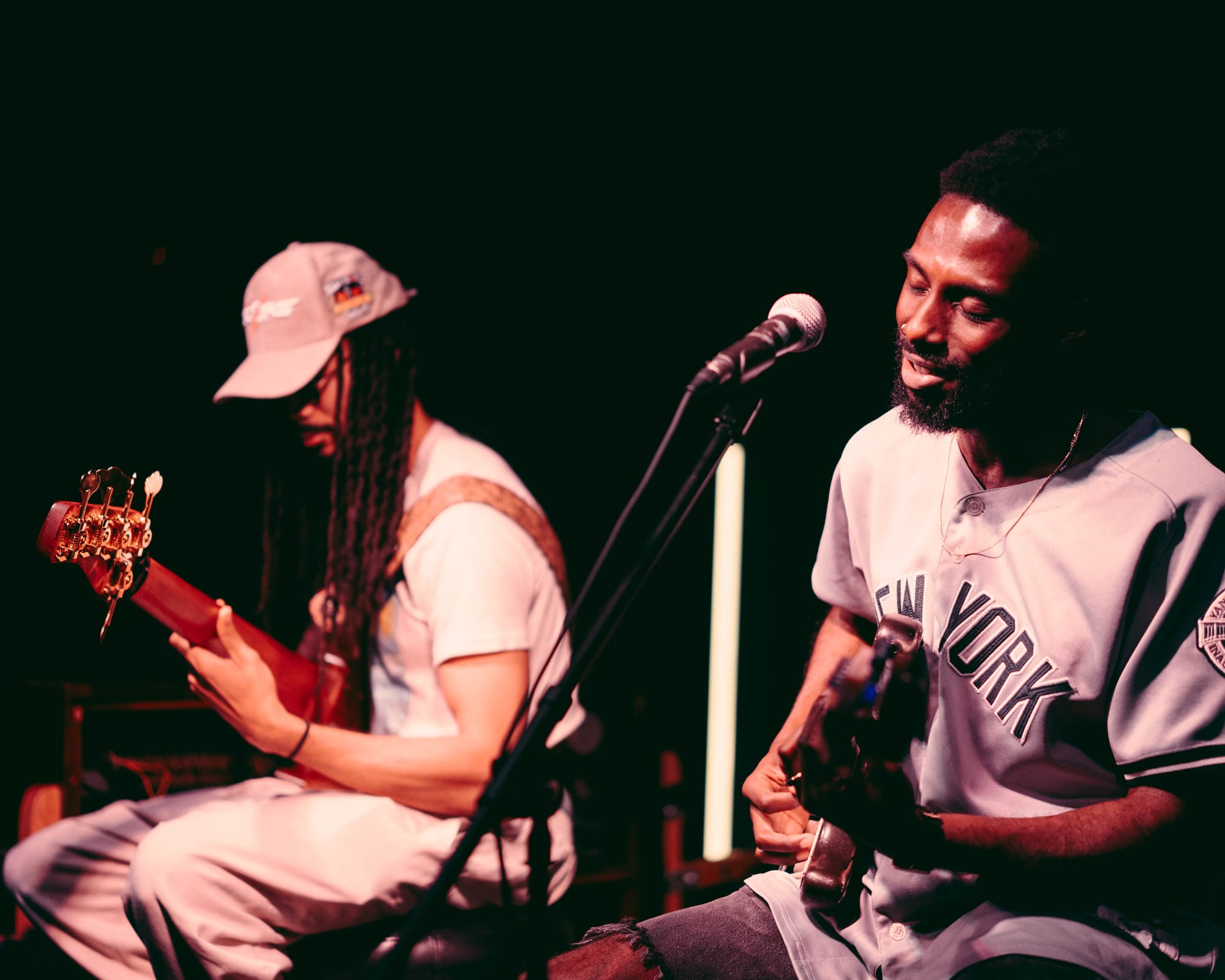
Clockwise from upper left: Bedroom Division, photo by Isaiah Pate; Spencer Aubrey, photo by Abby Keeler; Tashi Dorji, photo by Zac Trainor; Empress Of, photo by Terry Suave.
All weekend, I found myself stepping into downtown Winston-Salem spaces I hadn’t been before, or hadn’t thought to visit for live music—Fair Witness, Low Five Archive, and sundry others scattered across downtown. The walk between them became part of the experience, with food trucks lining parts of the route, and people drifting in and out of spaces, carrying conversations, finishing drinks, stopping when something pulled them in.
You could walk into a set halfway through and still feel as though you’d arrived just in time. At some point, I started running into a few people I knew, then more. Then people I hadn’t seen in months: a local writer and his wife, celebrating their eighth anniversary; a young chef and musician (and former coworker of mine), who didn’t know any of the bands but wanted to “be around good vibes”; a tattoo artist and Professor of Sculpture at UNCSA, who wanted to spend a night with his wife sans kids. The kind of overlap that doesn’t usually happen unless something brings everyone out at once.
Still, the feeling wasn’t unanimous. At one stop, someone said to me, “I just couldn’t justify spending that amount of money to stay [in Winston].” It landed harder than I expected. Not because it was dramatic, but because it was simple. The rest of us were deciding to be out, to be part of something shared, even without knowing exactly what it would be.
Nearby, at the outdoor Bailey Park stage, the Greensboro-based Bedroom Division was playing. This was a band I hadn’t heard of before, and yet it was also the band I kept hearing about all night. An indie pop sound with nostalgic synths. A romantic, ’80s-inspired blend of propulsive drums and smooth, mellow vocals. After their set, I spoke with Emmanuel Rankin, the band’s drummer. He told me he started on buckets. His cymbals were broken and he didn’t have the pieces to hold them in place, so he cut rubber from flip-flops and made it work. He was five when he first picked it up, six or seven when it became something more serious.
“My uncle, who lived in Raleigh, would play at these spaces called juke joints… so I started playing with him there,” he said. He was still a kid, showing up at two or three in the morning, learning how to keep time in rooms that didn’t wait for you to figure it out.
There’s a through line in that kind of beginning: moving between informal spaces, juke joints, churches, whatever is available, and eventually into rooms like this one.
When I mentioned I would have expected him to start in church, he nodded. Around 12 or 13, a church reached out to him. His mom worried he wasn’t getting paid well enough, so he mostly showed up, stayed close, and stepped in when needed. Listening back to the set, it made sense. The way his playing held back, then pushed forward. The balance between restraint and weight.
“I’ve never thought about that contrast,” he said, after I pointed it out. But you could hear it. And it felt like something the festival was consciously making space for, those kinds of stories sitting inside the music, whether or not they’re ever told out loud.

Phuzz Phest has always been built differently.
It started with Phuzz Media, a small music and art blog Pledger started in 2010. From there, it expanded into Phuzz Records, and a loose network of events operating under the broader “Phuzz Sounds” umbrella—less a single entity than an evolving platform for local and touring artists.
Pledger describes it as a “blood, sweat, elbow grease” operation, still largely driven by a small team putting everything they have into making it work. Most of the budget goes straight into the artists, the venues, and the production. There isn’t much room for excess. This year’s lineup pushed past 40 artists, spread across multiple venues, each one requiring its own coordination, equipment, and timing. It’s the kind of scale that doesn’t look massive from the outside, but up close, you start to see how much is being held together at once.
That complexity necessitates a certain kind of focus. A festival like this depends on the ecosystem that surrounds it—artists, audiences, venues, and the relationships that connect them. In a time when so much of live music lives and dies online, often after the fact, Phuzz represents an alternate path—creating something you have to be present for, not just catch in fragments later.
Artists like Empress Of and Small Black brought a wider reach, while Sonny Miles and NEW EX represented more local or hybrid spaces. Kevin Beck, who played Hopscotch last year, performed here with a full group—Joseph Dowdy on sax and bass synth, Jimmy Washington on guitar and pedal steel, and Joseph Cline on drums, who after the final note, let out a visible sigh of relief and leaned back smiling in his seat. It was the kind of moment you could only catch in a room this small, where the line between performer and audience starts to blur.
Without a central stage pulling everyone into one place, everything spread outward. Each venue carried its own energy, and getting between them became part of the rhythm of the night. In a larger festival, movement usually means navigating crowds like cattle. Here, it felt closer to wandering. You left one room still holding onto the sound you just heard, only to have it blend into something else a few blocks away. By the end of each night, it became harder to separate individual sets from the feeling of the whole, including the walking and stopping and conversations in between.
Phuzz Phest doesn’t ask for full attention the way larger festivals often do. Its VIP pass didn’t include any “line cutter” perk or something that took away from someone else’s experience; it left room for more. Pledger hopes to bring year-round Phuzz Phest events to Winston and surrounding cities—and I hope so too.

Karla James is a Salvadoran-American writer focused on personal narrative, art and culture. She resides in Winston Salem, North Carolina.