
Raleigh's Unsound Decision
A new noise ordinance in the City of Oaks continues the time-worn tradition of embracing culture until culture becomes inconvenient. Plus: a new album from DaBaby, and new songs/music videos in this week's Tuesday Mixtape.


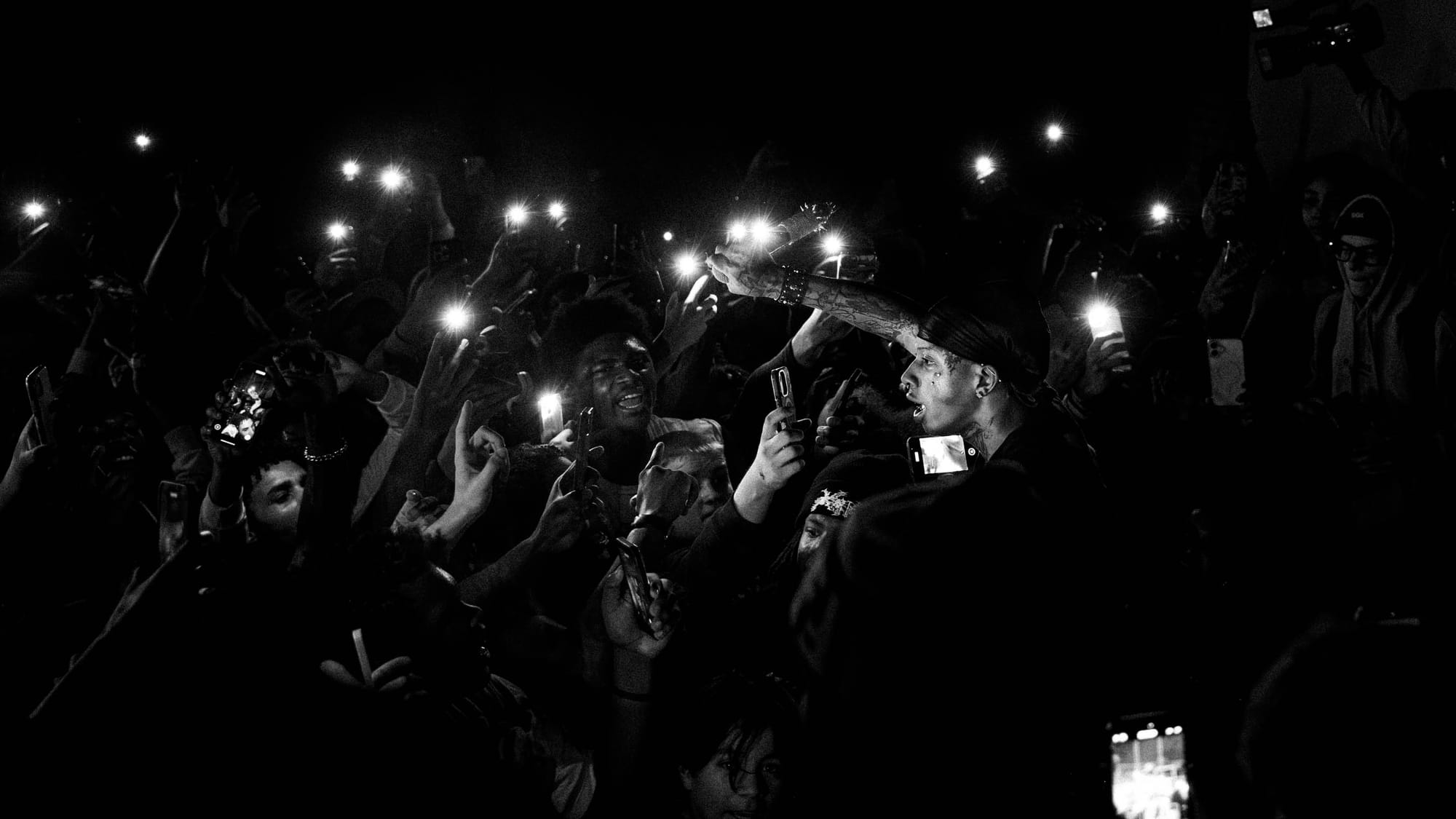
For years, nightlife has been the not-so-quiet savior and backbone of Raleigh’s revitalization strategy. This city did not become vibrant by accident—it was built by loud music, nightlife and community spaces that existed long before the high rises arrived. Bars, clubs, music venues, and late-night restaurants all draw young professionals, students, transplants and tourists into the core of Raleigh, creating foot traffic that has long helped the area thrive.
So there was no small amount of hand-wringing last October when Raleigh City Council unanimously passed a new noise ordinance, enforceable as of January 1st of this year, aimed at turning down the volume on Glenwood South as well as other downtown areas. The new rules—which include limiting post-midnight weekend sound to 80 dB(A) in Glenwood South and 55dB(A) throughout Downtown—raises a question for the city and its future: are you willing to stifle the same culture that brings life to our city, to please people who only moved downtown expecting the suburbs?
The noise ordinance, while framed as a tool to protect residents from excessive disturbances, lands as unusually strict in practice. Nightlife venues are designed to draw crowds, generate energy, and create shared experiences, yet they are penalized for the very activity that makes them viable. For many operators, compliance is not a simple adjustment but a financial burden, a burden that most cannot take on in this economy. It can require expensive soundproofing, shortened operating hours, or limits on live performances, each of which cuts directly into revenue. Over time, these constraints don’t just reshape individual businesses, they narrow the range of cultural offerings downtown and make it harder for smaller, independent venues to survive at all.
This tension highlights a broader issue. Downtown Raleigh has encouraged dense, mixed-use development, placing residential units near long-established entertainment districts. As new residents—mostly transplants that can afford the area—move in, complaints about noise have increased, often leading to stricter enforcement against venues that were operating long before nearby apartments were built. The result is a shift in responsibility, where nightlife businesses are asked to adapt retroactively to development decisions they did not make.
Nightlife has always played a crucial role in defining Raleigh’s identity as a real city rather than a mere commuter town that shuts down after dark. Live music and late-night activity support local artists, service workers, and small business owners while contributing to a sense of safety through active, populated streets.
Raleigh’s challenge is not choosing between residents and nightlife but finding a balance that allows both to coexist. If the city continues to rely on nightlife as a revitalization tool while simultaneously constraining it through aggressive enforcement, Downtown’s growth will come at the expense of the very vibrancy that made it possible in the first place.
BreYonnaBeats, better known as Bre, is a Super Empty contributor and a DJ, writer, and community outreach advocate in public health based in Raleigh, NC — known for her R&B-driven mixes and blending hip-hop, house, and throwbacks to create an unforgettable vibe.

Also This Week On The Tuesday Mixtape:
- 💿 A new album from DaBaby
- 🎧 Songs from Khrysis & Pete Rock and TiaCorine, and new videos from leroy, Ducee' Droptop, Bobby James, 3amsound, and many more.
- 🔗 A brand new roundup of fresh links.