
Neighbors: Isa ibn Wali
Emcee, Teacher, Artist

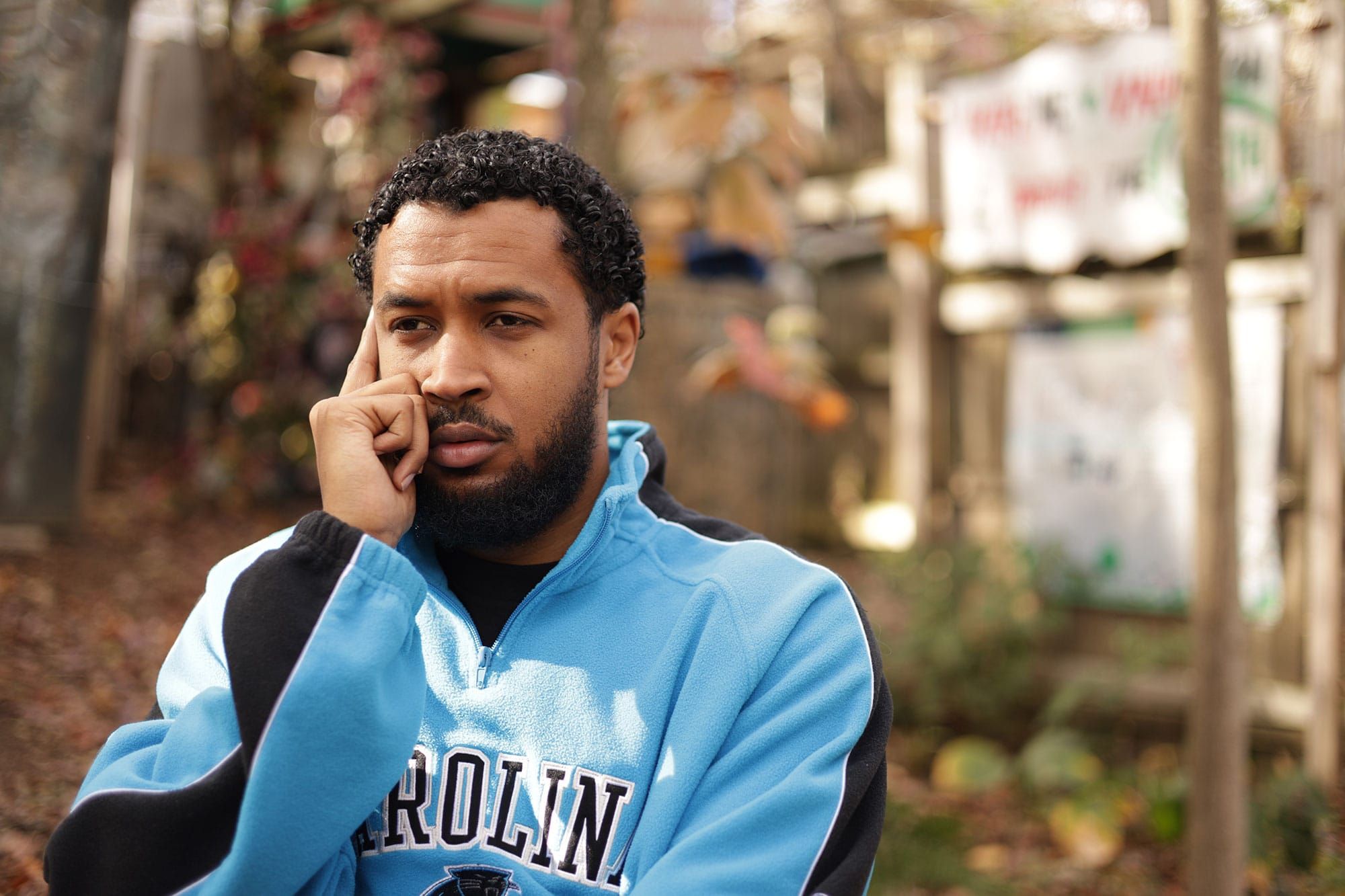
This installment of NEIGHBORS is republished from Issue 1 of Super Empty magazine, now available at stores across the state and in our online shop. Grab yourself a copy and help make our NC-focused culture journalism possible.
What’s going on? What have you been up to lately?
Working, teaching, doing my dad stuff, and just trying to survive these crazy times.
What’s the last great show you went out to in Asheville?
There’s a local band called Fashion Bath — I went to one of their shows like a month or so ago. They’re a punk rock band, or “punk-ish” rock band, I don’t want to give them a label. I had listened to them for a while, I’m friends with some of the members. Just hearing some of the classic songs from a few years ago, when we were running circuits around the same time; seeing their stage performance — from then til now, watching the progression.
How would you define your style, or the feeling that you're hoping to convey in your work?
I try to stray from the “conscious” label, to a degree. It can be limiting when you’re in that realm, and then that’s what people expect from you. I've really just been trying to make relatable, feel-good, sound-good music. I’ve been trying to tap back into my storytelling, because when I first started, that was really a big part of my style. Then I kind of switched and was getting political and things like that.
I think of your music as still being political, but it's interesting to hear you talk about wanting it to not just be that.
There's levels to it where I'm like, “This isn't political, this is just humanity.” Like it shouldn't be political to say that government entities shouldn't be bombing people. That shouldn't be a political, controversial statement. So I’m not trying to push back against the “political” thing, but just kind of reshape it and reform it and be like, “These are real life raps. These are real stories, whether they're my stories or other people's stories.”
Who or what comes to mind when you think of NC hip-hop?
Definitely J. Cole, Little Brother. Petey Pablo, because he was probably one of the first artists out of NC that really created an anthem for us. And I would put Lute up there too. There’s a ton of indie/underground acts I could name too: SK, The Novelist, G Yamazawa. The homie Newman — he’s been killing it lately.
How did you get plugged into the scene in Asheville?
I first moved to Asheville in 2015. My son's mom had moved up here, and then I followed her. I had been performing in Morganton and Hickory and a couple times in Boone, but in Asheville I was sort of on my own, so I started to go to different open mics. There was one called Noble Kava — that’s where I found my footing, because I hadn’t really performed on my own. After that, I met Dwayne Barton, who was a local poet, and he introduced me to Nex Millen and Jessica Tomasin. They had this workshop called Inside Out. That's where I met some of the other homies, like Mark Martinez and Popok. Also Free The Optimus was doing stuff then. It was dope.
What’s it been like trying to cultivate arts and culture in the area post-Hurricane Helene?
It’s definitely been trying. I didn’t have all my ducks in a row before Helene, and then once that hit, not working and stuff for a couple weeks, you get behind on bills. And you’re trying to figure out ways to still, you know, pay for studio time or buy beats, all the things that come with being an artist, while you're still playing catch up. I guess that’s always been the artist struggle. But it was heightened, like, times five, post-Helene.
Where are people most likely to find you, outside of home?
Definitely at some performances, whether it be mine or other peoples’. I’ve got some homies that DJ that I’ll pull up on at some of the bars and they’ll let me kick it behind the DJ booth and whatnot — like Mad Mike at Lazy Diamond, also Static Age Records, which is a spot I performed at a couple times this year.
